
Beginner Tips for Backyard Birdwatching: A Simple Guide to Getting Started
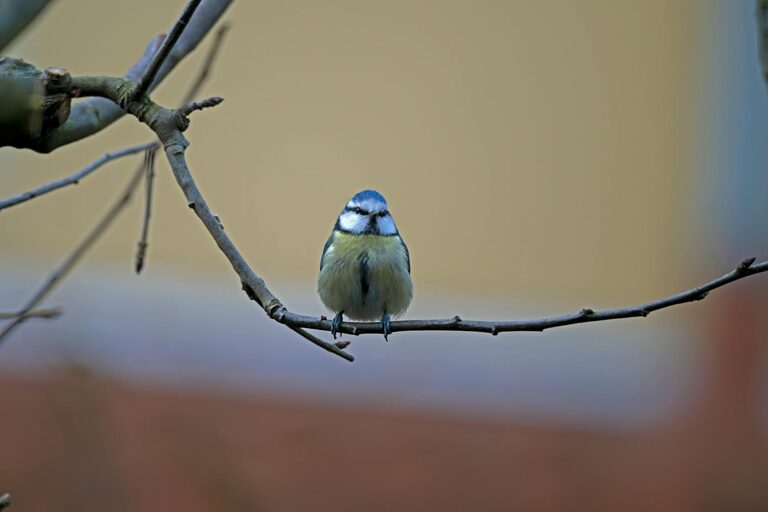
Birdwatching is a relaxing and rewarding hobby that allows you to connect with nature without leaving your home. Whether you have a small balcony or a spacious backyard, you can create a welcoming environment for local birds and enjoy hours of observing their fascinating behaviors. If you’re new to birdwatching, this guide offers simple tips to get started and make your backyard a favorite spot for feathered friends.
Why Start Backyard Birdwatching?
Birdwatching helps reduce stress, boosts your mood, and encourages mindfulness. It’s a fun way to learn about wildlife and contribute to citizen science by reporting bird sightings. Plus, it’s accessible for all ages and fitness levels.
Setting Up Your Backyard for Birdwatching
1. Choose the Right Location
Pick a quiet spot with some natural elements like trees, shrubs, or flowers if possible. Birds feel safest near cover, so areas with greenery attract more species.
2. Provide Food Sources
Bird feeders are a great way to attract birds, especially in urban areas.
– Seed Feeders: Use a mix of sunflower seeds, millet, and nyjer to attract different birds.
– Suet Feeders: Great for woodpeckers and nuthatches.
– Fruit and Nectar: Orioles and hummingbirds enjoy fresh fruit and nectar feeders.
Make sure to clean feeders regularly to prevent mold and spread of disease.
3. Offer Water
Birds need fresh water for drinking and bathing. A birdbath or shallow dish can work well. Keep the water clean and change it often, especially in hot weather.
4. Create Shelter
Provide safe nesting spots and shelter through native shrubs, birdhouses, or brush piles. Avoid using pesticides that can harm birds and insects they feed on.
Essential Birdwatching Gear for Beginners
You don’t need a lot of equipment to start.
– Binoculars: A lightweight pair with 8×42 magnification is ideal for backyard use.
– Field Guide or App: Helps identify species. Many apps now include bird calls and photos.
– Notebook: To record your observations.
– Camera (Optional): To capture memorable moments, even a smartphone camera works well.
How to Identify Birds
Observe Key Features
Look at the bird’s size, shape, colors, and patterns. Notice behaviors like how they feed or move.
Listen to Bird Calls
Learning common bird calls can help identify species even when they are hidden.
Use Identification Resources
Field guides, mobile apps, and online birdwatching communities offer valuable help.
Tips for a Successful Birdwatching Experience
– Be Patient: Birds may take time to visit regularly.
– Watch at Different Times: Early morning and late afternoon are often best.
– Stay Quiet and Still: Sudden movements or loud noises can scare birds away.
– Keep a Regular Feeding Schedule: Birds learn when food is available and will return.
– Note Seasonal Changes: Different species visit during migration seasons.
Engaging Kids and Family
Birdwatching is a great family activity. Kids love spotting colorful birds and learning fun facts. Try simple games like bird bingo or DIY feeder crafts to keep them interested.
Contributing to Bird Conservation
By creating bird-friendly spaces and reporting sightings to local bird monitoring programs, you support bird populations and environmental health. Organizations like eBird and Audubon offer platforms for sharing observations.
Wrapping Up
Backyard birdwatching is an accessible, enjoyable way to appreciate wildlife and improve your surroundings. With a few simple steps—setting up feeders, providing water and shelter, and patiently observing—you’ll soon be spotting and identifying a variety of birds. Remember, the joy is not just in seeing rare species but in embracing nature’s everyday visitors.
Grab your binoculars, head outside, and enjoy the peaceful world of backyard birds!