
Beginner Tips for Taking Better Phone Photos Every Time
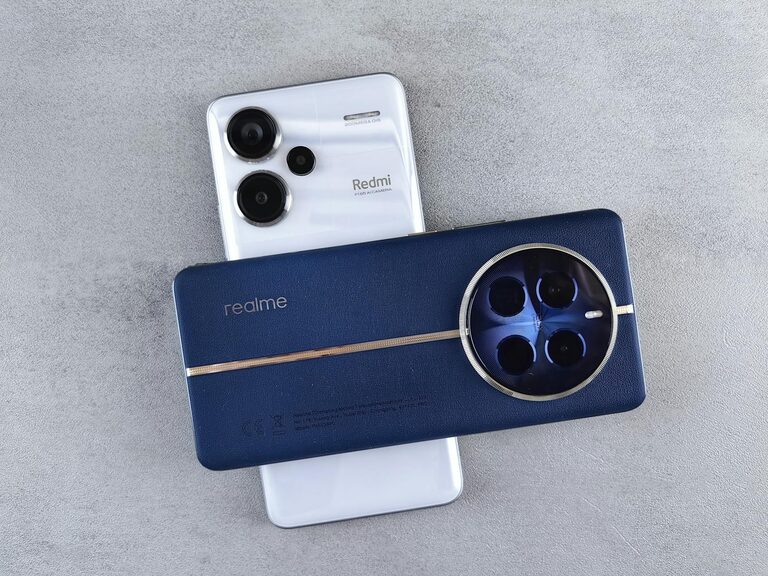
Taking great photos with your phone doesn’t require expensive gear or advanced skills. With a few simple tips and a bit of practice, anyone can capture stunning images that stand out. Whether you’re snapping pictures of friends, nature, or everyday moments, improving your phone photography can be a fun and rewarding experience.
In this post, we’ll explore beginner-friendly tips to help you take better phone photos. From understanding your camera settings to using light creatively, these practical suggestions will boost your confidence and skills in no time.
Understand Your Phone’s Camera Settings
Even if your phone camera seems simple, it often includes important features that can enhance your shots. Take some time to explore the settings:
– Focus and Exposure: Tap the screen where you want the camera to focus. Try adjusting the exposure (brightness) slider if available to get the right lighting.
– Grid Lines: Turn on the grid lines in the camera settings. These help you apply the “Rule of Thirds,” a composition guideline that makes photos more balanced and appealing.
– HDR Mode: Use High Dynamic Range (HDR) to capture more detail in bright and dark areas, especially for outdoor or high-contrast scenes.
– Portrait Mode: If your phone offers portrait mode, use it to create a shallow depth of field effect that blurs the background and highlights your subject.
Keep Your Lens Clean
A simple but often overlooked tip is to clean your phone’s camera lens regularly. Dirt, fingerprints, and smudges can make images appear blurry or hazy. Use a soft, lint-free cloth to gently wipe the lens before taking photos.
Find Good Lighting
Lighting is one of the most important factors in photography. The right light can dramatically improve your photos, while poor lighting can make even the best composition look dull.
– Natural light is best: Whenever possible, shoot in natural daylight. Early morning or late afternoon light, often called “golden hour,” provides soft, warm illumination.
– Avoid harsh midday sun: Bright midday light can create harsh shadows. If you must shoot at this time, seek shaded areas or use the shade to soften the light.
– Avoid backlighting: Unless you’re going for a silhouette effect, avoid placing your subject directly in front of a bright light source.
– Indoor lighting: Use window light or lamps to illuminate your subject. Avoid mixing different light colors (like daylight and fluorescent) for better color consistency.
Steady Your Shot
Keeping your phone steady helps prevent blurry photos, especially in low light situations.
– Use both hands: Hold your phone with both hands and keep your elbows close to your body.
– Lean on support: If available, rest your arms or phone against a stable surface like a wall or table.
– Enable burst mode: For moving subjects, use burst mode to capture several frames quickly; then pick the sharpest image.
– Consider a tripod: Small, portable tripods designed for phones are inexpensive and can greatly improve stability.
Compose with Intention
Good composition makes your photos visually interesting and balanced.
– Rule of Thirds: Mentally divide your frame into thirds, both horizontally and vertically. Place key elements along these lines or their intersections.
– Fill the frame: Get closer or zoom in to make your subject more prominent.
– Look for patterns and symmetry: These can add structure and appeal to your photos.
– Use leading lines: Roads, fences, or shadows can guide the viewer’s eye toward the main subject.
– Try different angles: Move around your subject and shoot from various perspectives for variety and creativity.
Experiment with Phone Camera Features
Modern phones come with features that help expand your creative options.
– Panorama mode: Capture wide landscapes or tall buildings by stitching multiple shots together.
– Slow-motion and timelapse: Animate moments in unique ways with video modes that change playback speed.
– Filters and editing: Many phones have built-in editing tools. Adjust brightness, contrast, saturation, or crop for better results—but avoid over-editing.
Practice, Review, and Learn
The best way to improve is to practice regularly and review your photos critically.
– Take many shots and experiment with different settings and compositions.
– Review your pictures to identify what worked and what didn’t.
– Learn from tutorials, online courses, and photography communities for continuous improvement.
– Don’t be afraid to make mistakes—they’re part of the learning process!
Conclusion
Better phone photography is within everyone’s reach. By understanding your phone’s camera, paying attention to lighting and composition, and practicing regularly, you can capture beautiful, memorable images. Start applying these beginner tips today and watch your phone photos improve with each snap!
Happy shooting!